
History
Our past lives here. The people, records, and places that keep it alive.
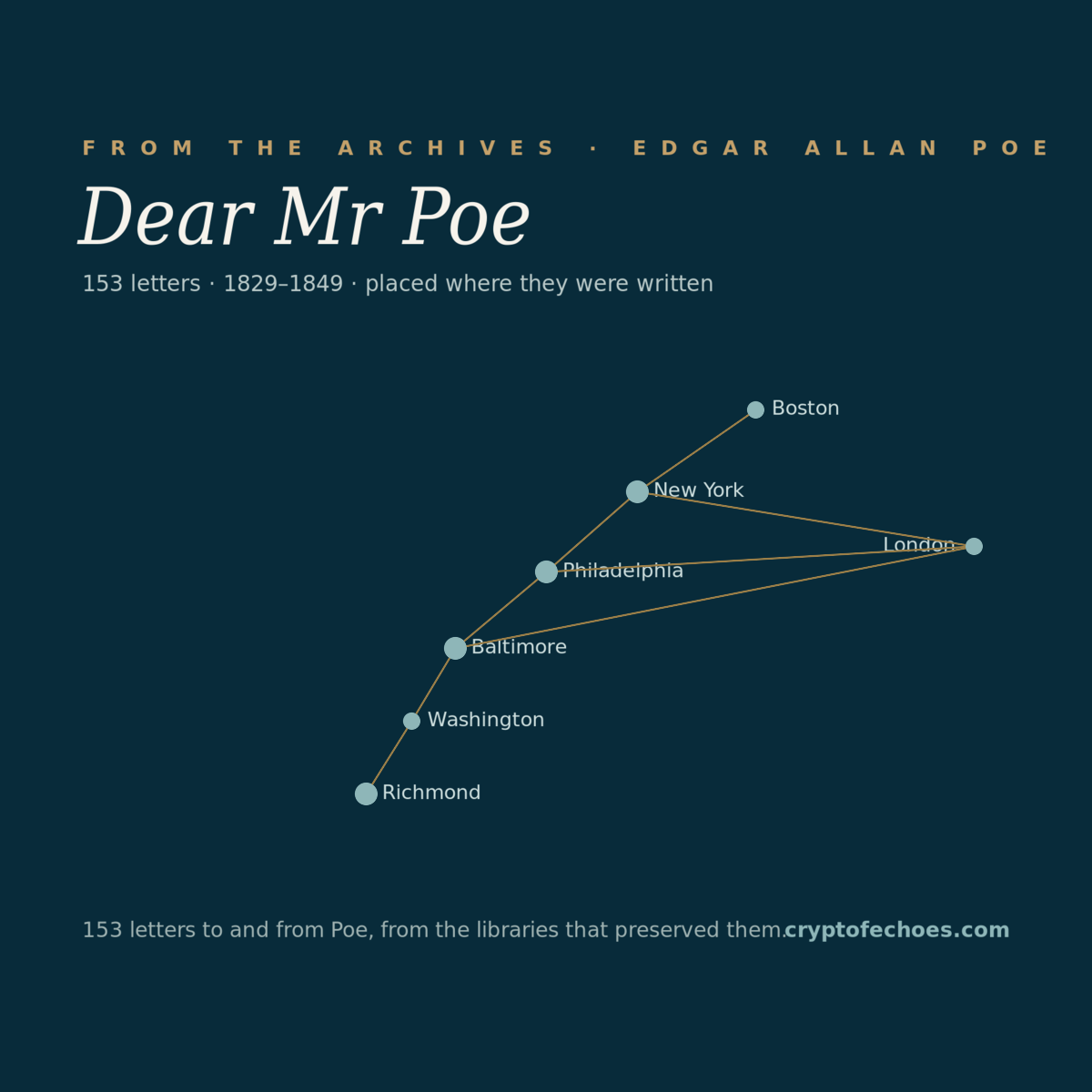
Dear Mr Poe: 153 Letters, Mapped and Read in the Writer's Own Words
For 150 years, much of what the public 'knew' about Edgar Allan Poe came from an enemy's memoir. The letters tell a different story. We gathered 153 of them — to and from Poe, 1829 to 1849 — placed them on a map, and made each one readable beside its original.
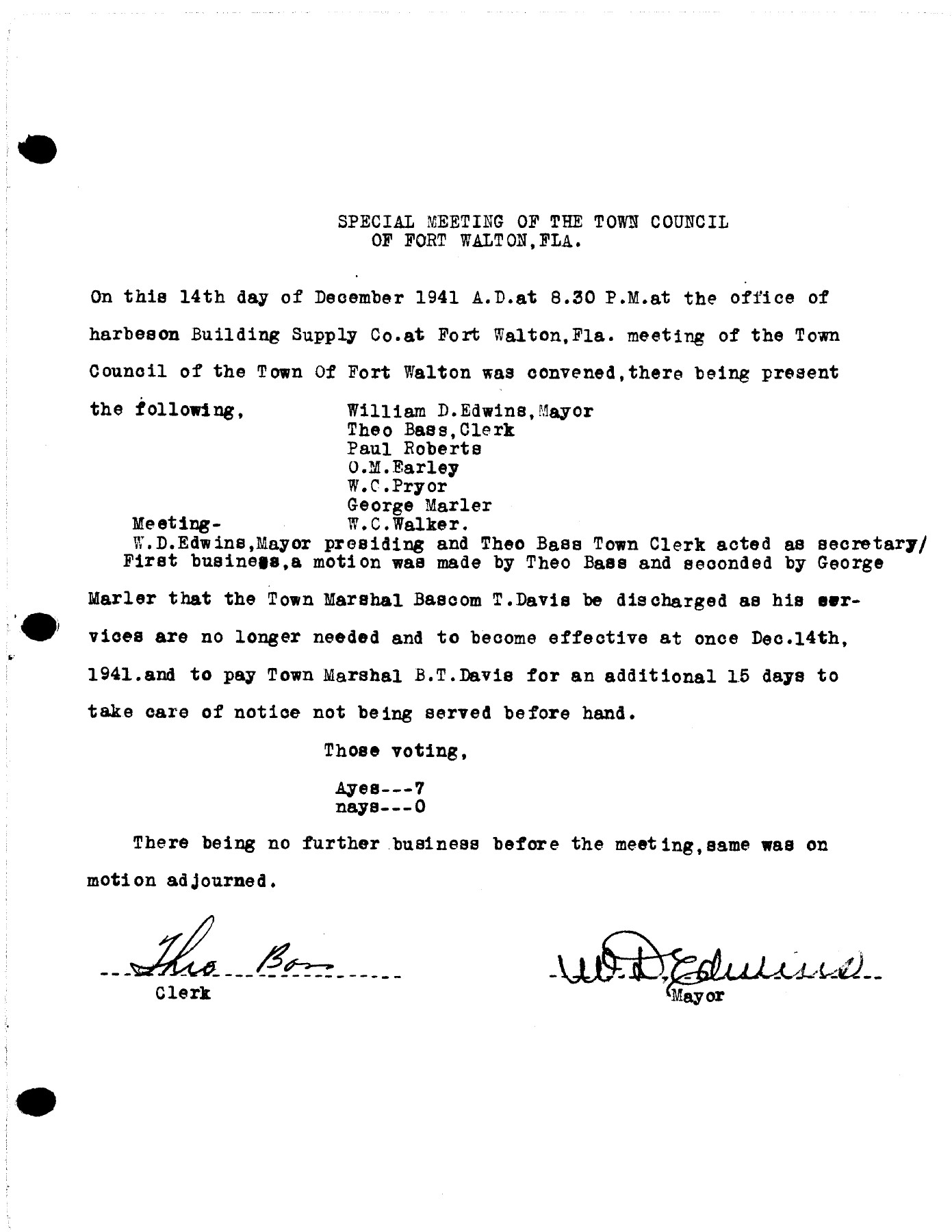
Fort Walton’s 1941 Council Dismissed Its Marshal and Approved 15 Days of Notice Pay
A one-page special-meeting record names Bascom T. Davis and explains the additional pay, but gives no detailed reason for ending his service.
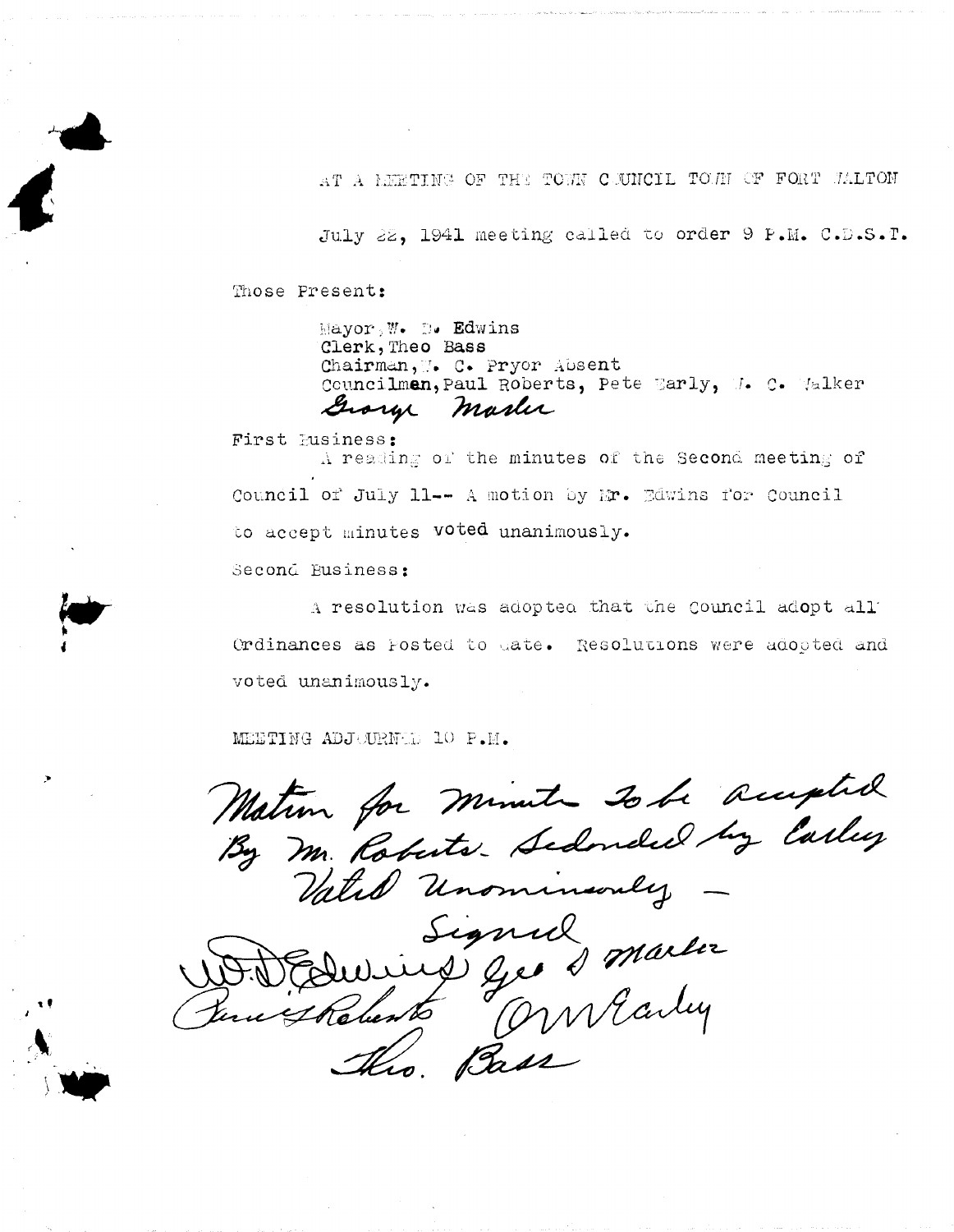
Fort Walton’s July 1941 Minutes Record a Vote to Adopt Posted Ordinances
A brief record captures a unanimous vote during an hour-long council meeting, without listing the ordinances individually.
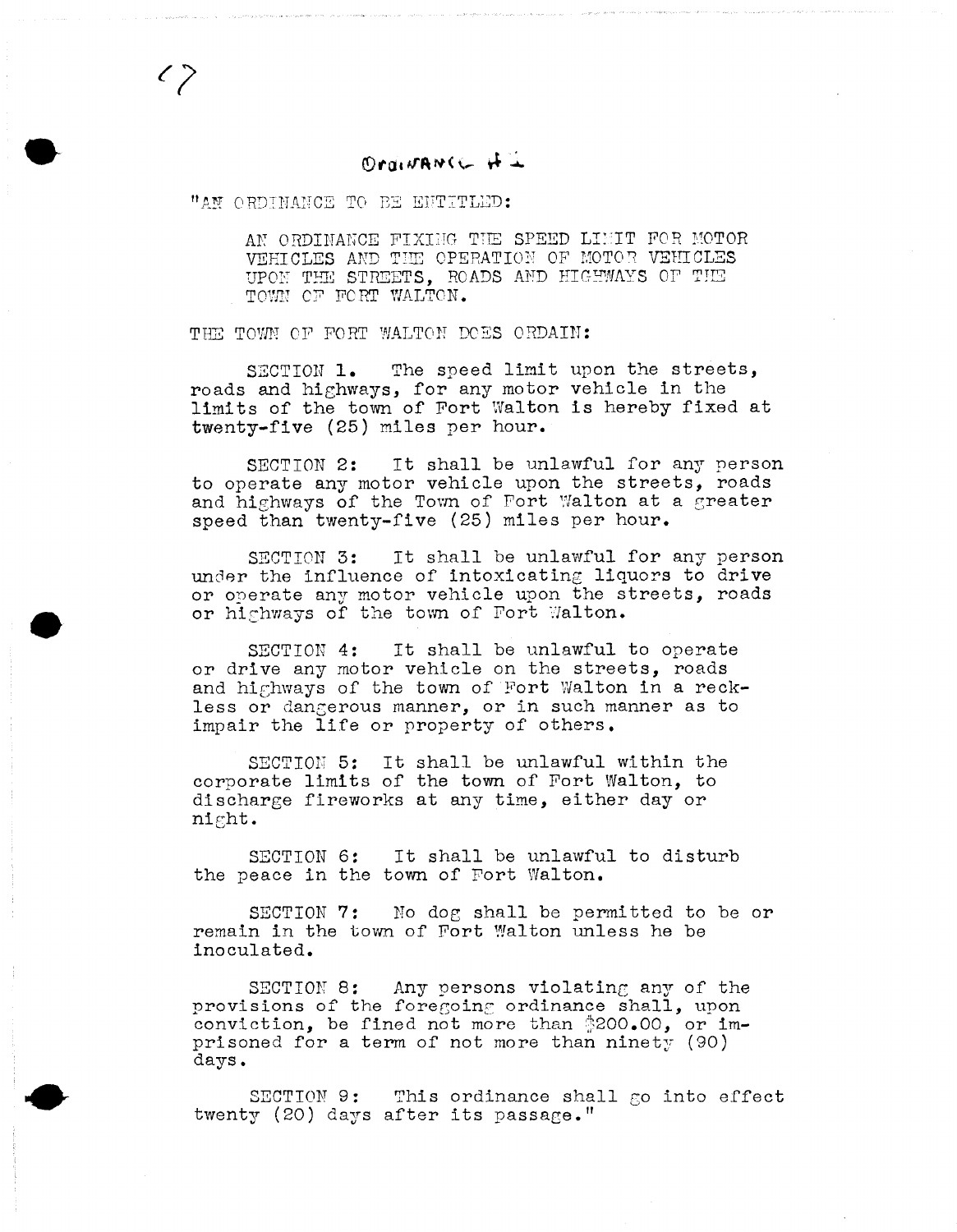
Fort Walton Chose a Marshal and Considered a 25-MPH Limit in July 1941
The July 11 minutes record a majority vote for the marshal and a first reading of rules covering traffic, fireworks and dogs.
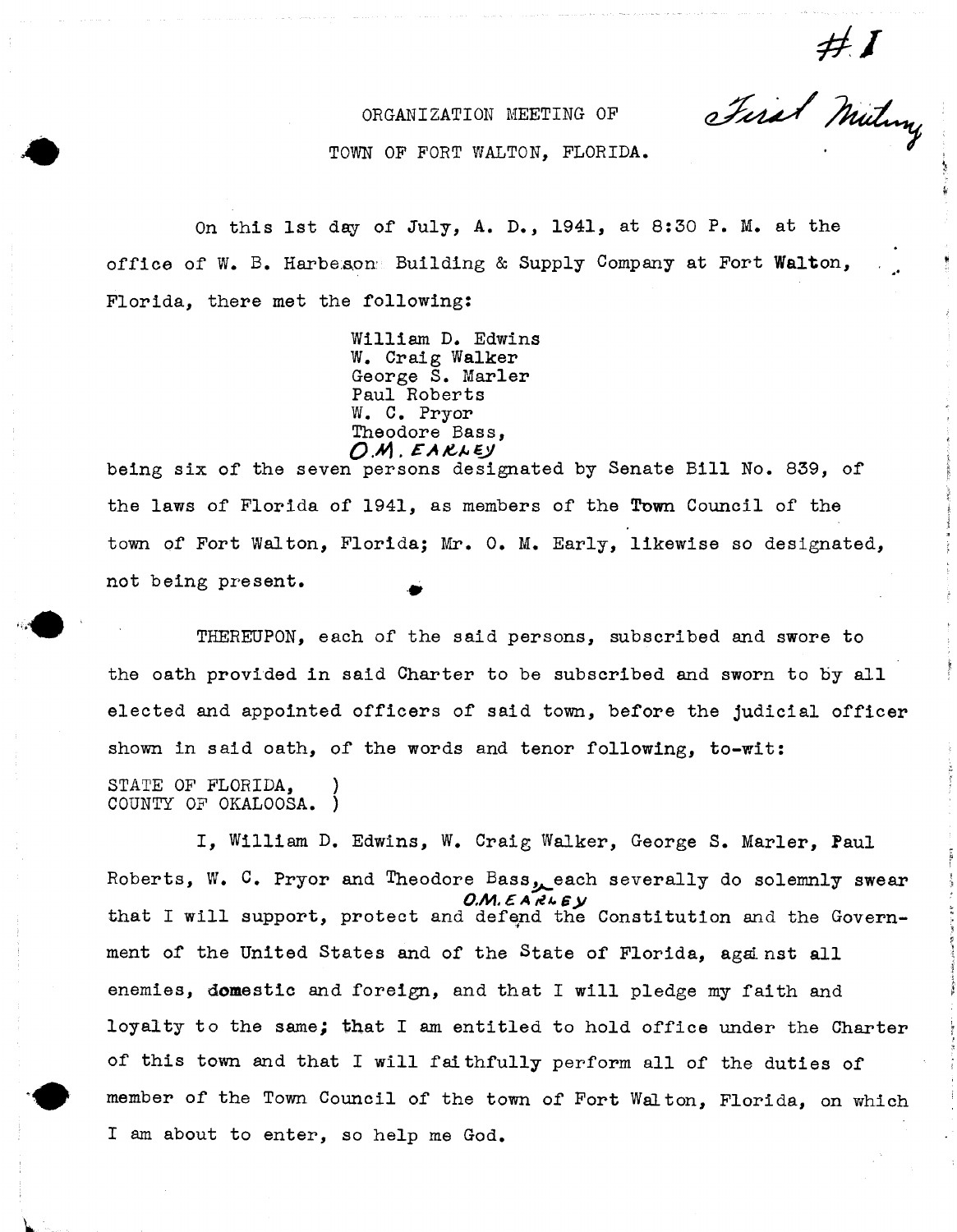
How Fort Walton Set Up Its Town Government in One July 1941 Meeting
Meeting in a building-supply office, the council chose a mayor and clerk, designated a bank, and arranged a temporary marshal and jail.
A Mobile title search led to marriage records in 1904
A newly archived business letter follows a question about property ownership into family history—and leaves the answer open.
Virginia’s 1776 Warning Against General Warrants
Section 10 names the problem: searches without evidence and seizures without particular accusations.
A Working City in Abbreviations: Montgomery’s 1866 Directory
Printers, machinists, boarding houses, and addresses turn a list of names into a guide to everyday geography.

Boston, 1843: The Verse Above Poe’s First Printing of “The Tell-Tale Heart”
The January 1843 Pioneer page places an epigraph between the title and the narrator’s nervous opening.
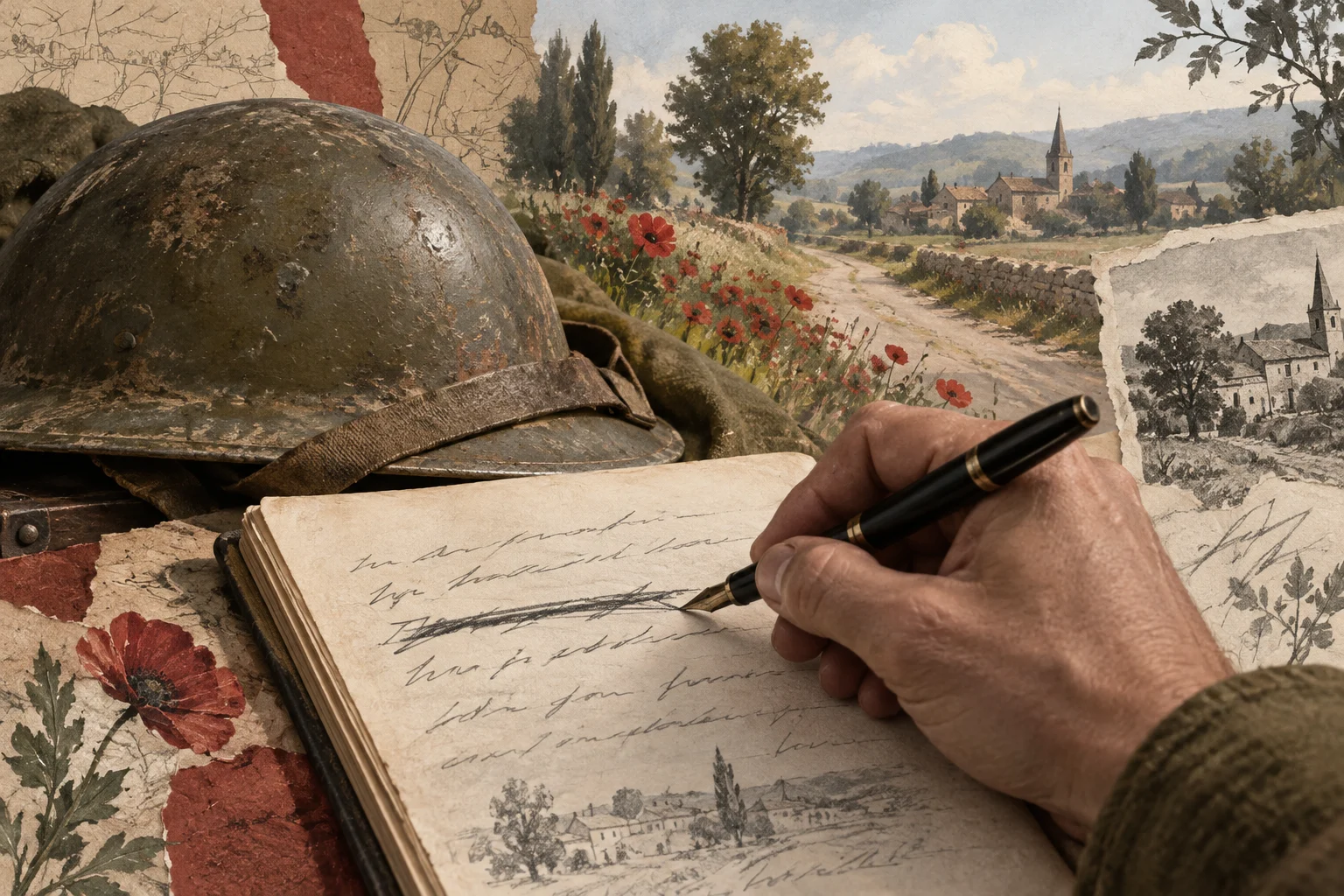
Alabama’s Soldiers in France: A War Historian Left Room for Corrections
William H. Amerine’s 1919 introduction tells readers where his account came from—and invites them to add to it.
The First U.S. Federal Law Began With a Promise to the Constitution
The June 1, 1789 oath act turned Article VI into a sequence of words, deadlines, and recorded obligations.

Before Alabama Wrote a Constitution, It Chose a Doorkeeper
The convention’s July 5, 1819 opening entry records the practical work of creating a body that could govern its own proceedings.
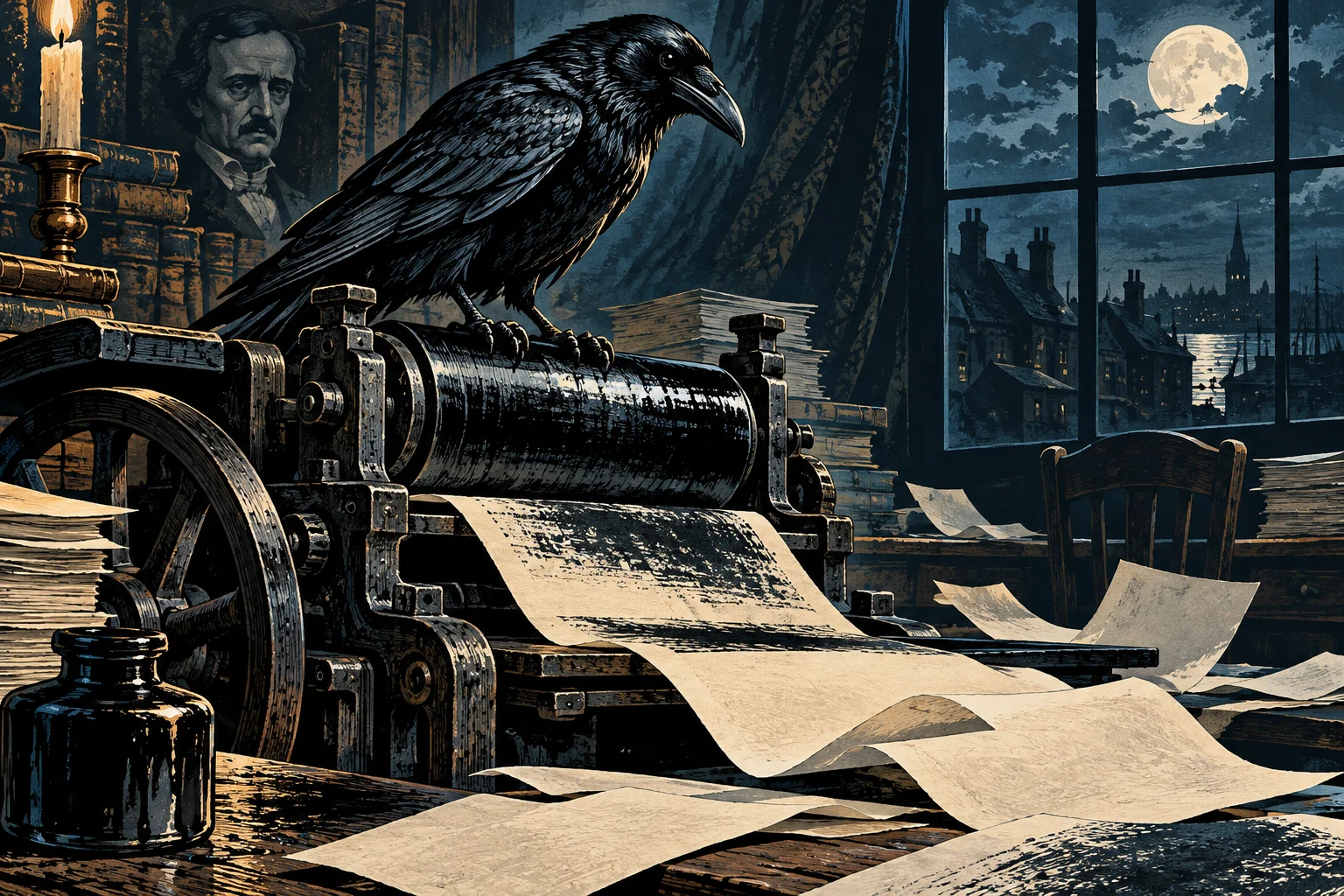
New York, 1845: “The Raven” Appears Under the Name Quarles
The American Review’s 1845 printing preserves more than the poem: it preserves an editor telling readers how to hear it.

U.S. Supreme Court, 1804: Following Orders Did Not Shield a Captain From Liability
Little v. Barreme turns on the distance between a statute’s seizure authority and the instructions sent to a naval commander.
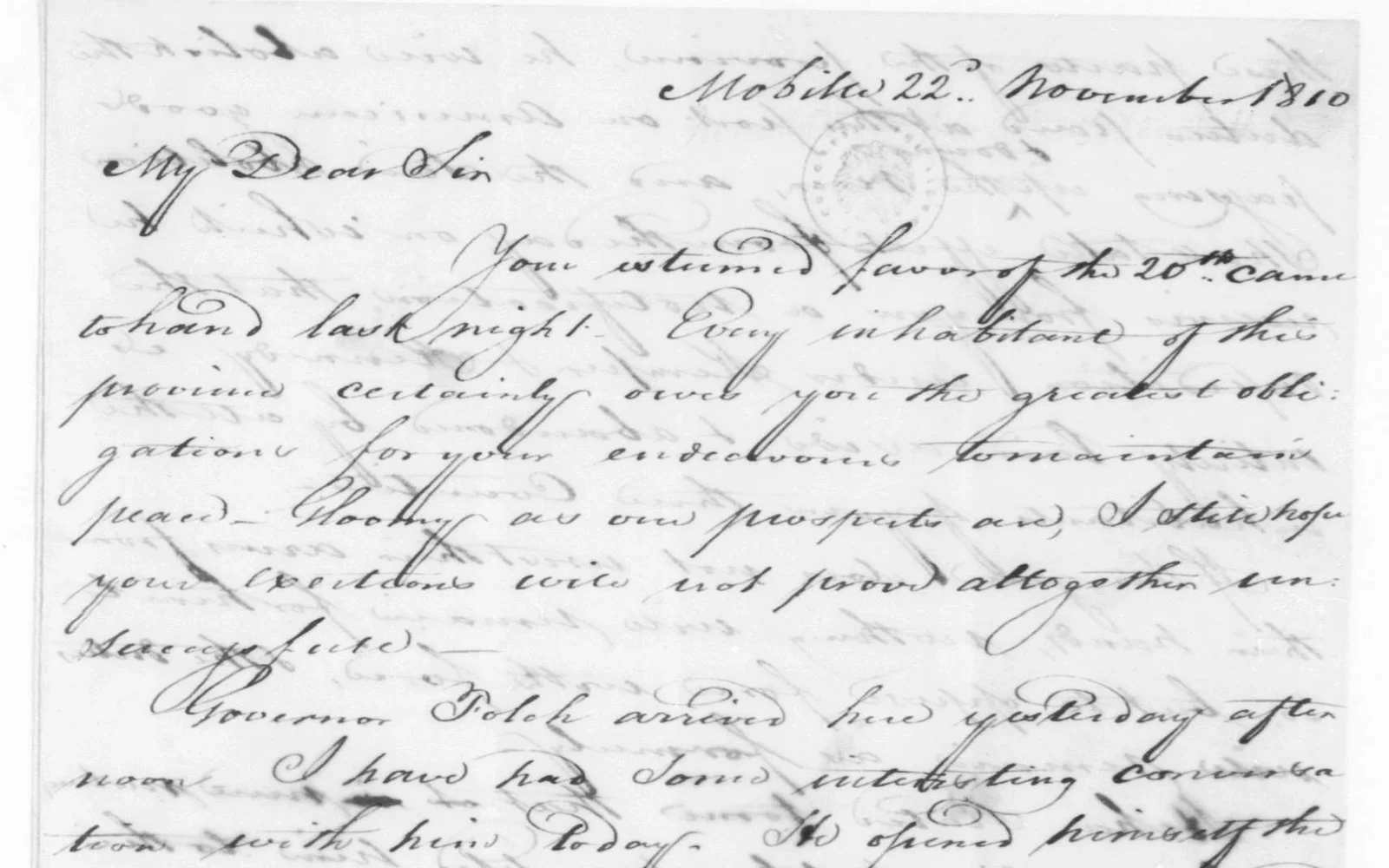
"Averse to Flatter Treason": Mobile's Offer to Trade Taxes for Peace
In November 1810, with an armed American expedition preparing to march on Spanish Mobile, the governor offered through a local merchant to scrap the duties that had angered settlers upriver. A federal judge's private reply shows why he would not use the offer as a bargaining chip.
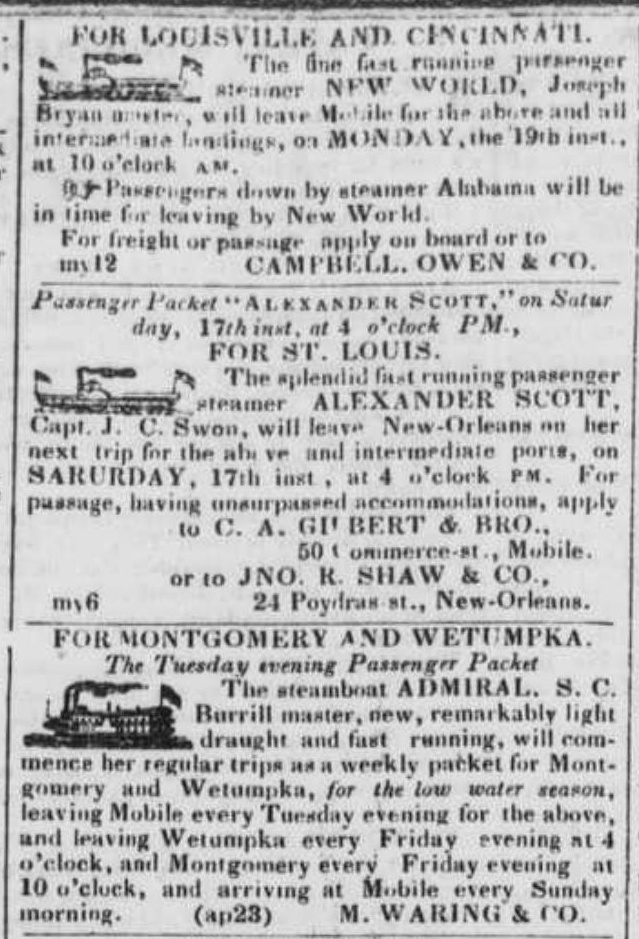
Leaving Mobile, May 1845: Three Steamboats and the Promises They Made
A single newspaper column of passenger notices shows how Mobile travelled in 1845: by published schedule, by the river's water level, and through agents on Commerce Street.
Alabama, 1833: The Constable, the Missing Return, and the Cost of Justice
An Alabama constable failed to return a court order. In 1833, the dispute that followed forced the state’s highest court to weigh legal formalities against the price of getting justice.
Three Arpents in Mobile: The Land Dispute Ryder Did Not Live to Finish
A claim that began with a Spanish land grant in 1810 reached Alabama’s Supreme Court in 1833. Between those dates lay a disputed lot, a business winding down, and a lawsuit inherited by Ryder’s heirs.
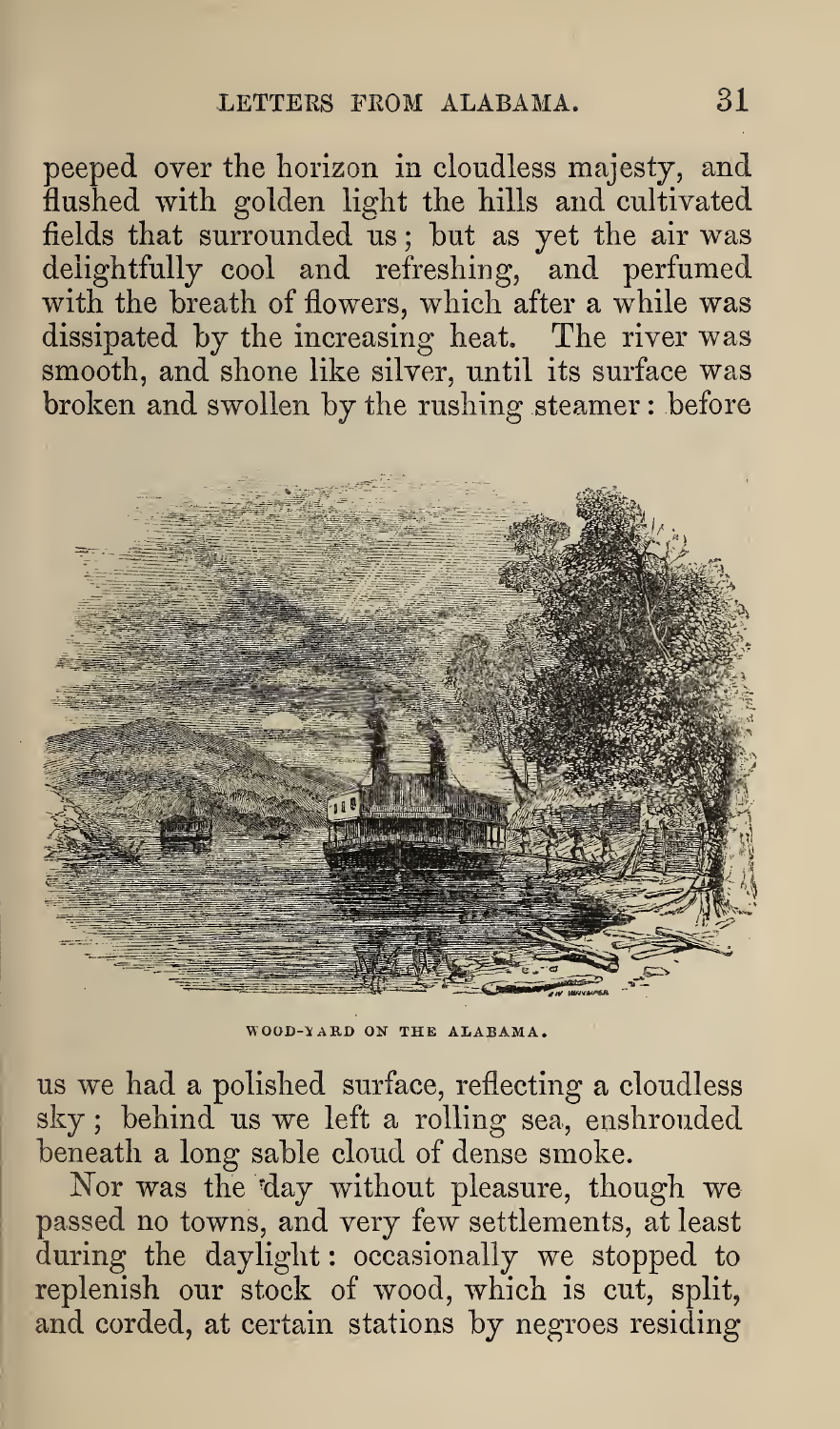
From Mobile by Firelight: The River’s Wood Yards
An 1859 travel account follows a steamer out of Mobile, past fireflies, fuel stations, and the labor that kept it moving.
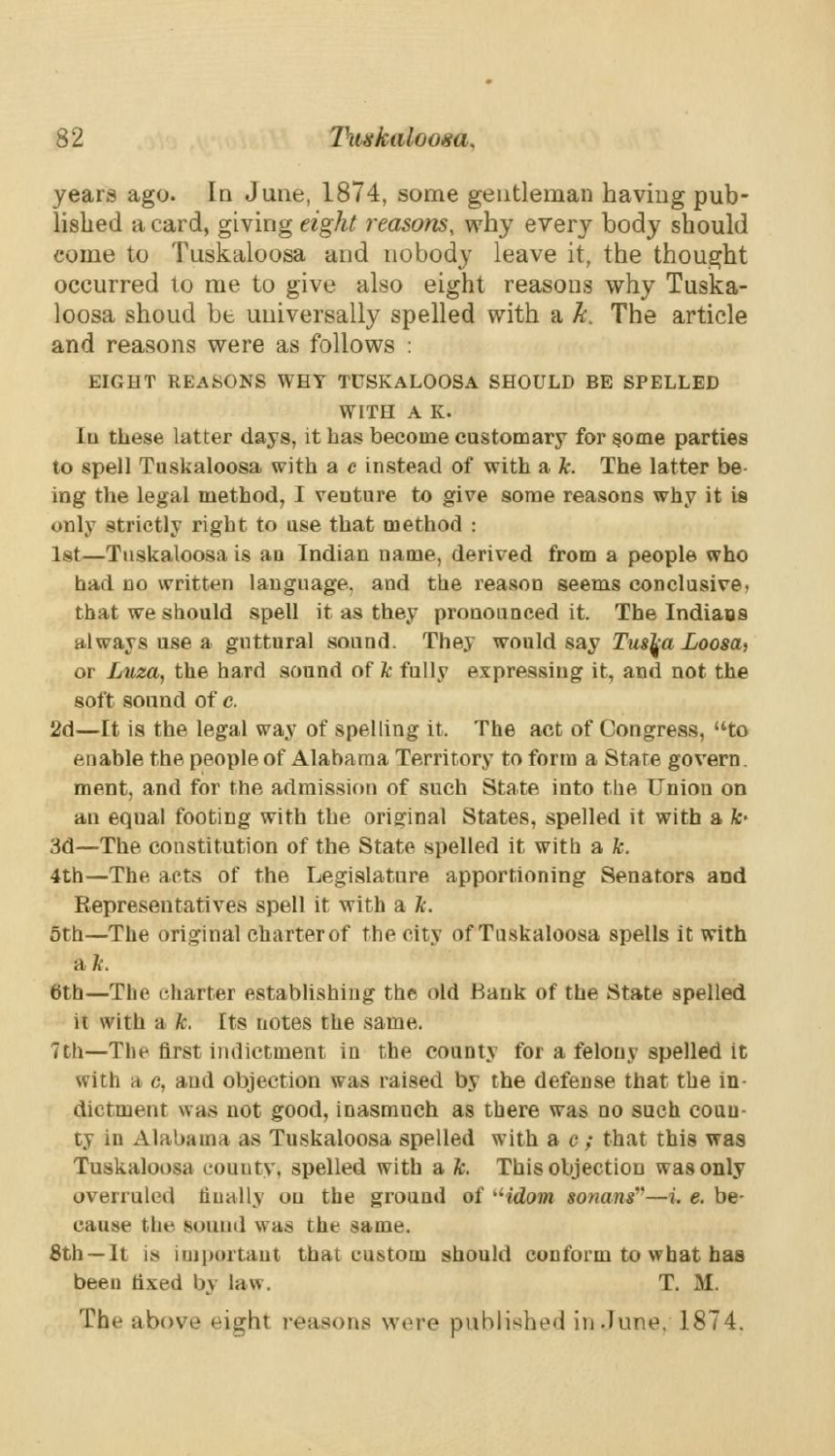
Tuscaloosa or Tuskaloosa? The Alabama Town Name Worth Eight Arguments
Thomas Maxwell answered a civic booster’s list with one of his own: eight reasons to spell Tuskaloosa with a K.
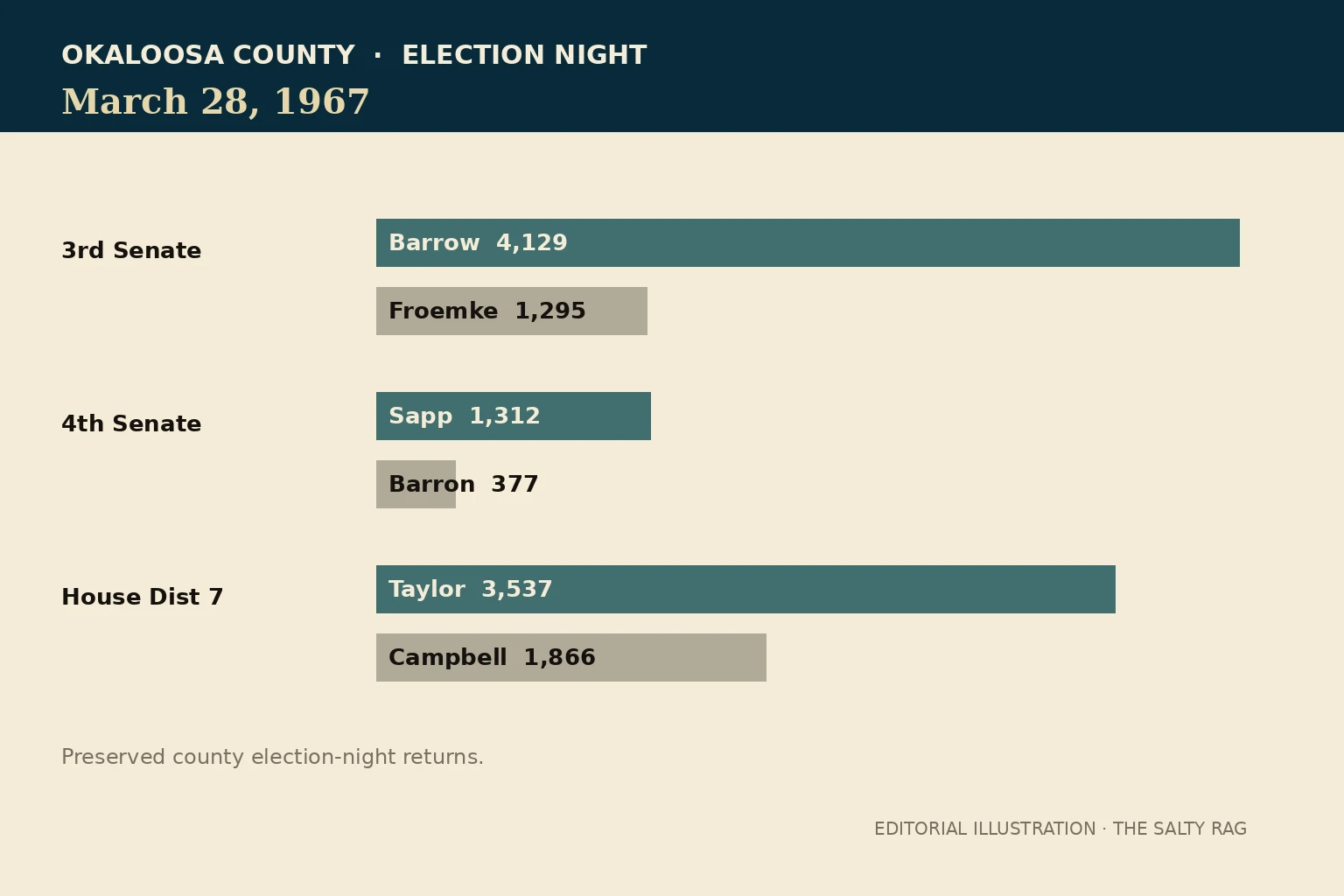
Okaloosa's March 1967 Election Night: Six Seats, Drawn by a Federal Court
A one-county tally from March 28, 1967 preserves how Okaloosa voted for three state Senate seats and three House seats. A federal judge had created those seats only six weeks earlier.