
A War Historian Left Room for Corrections
William H. Amerine’s 1919 introduction tells readers where his account came from—and invites them to add to it.
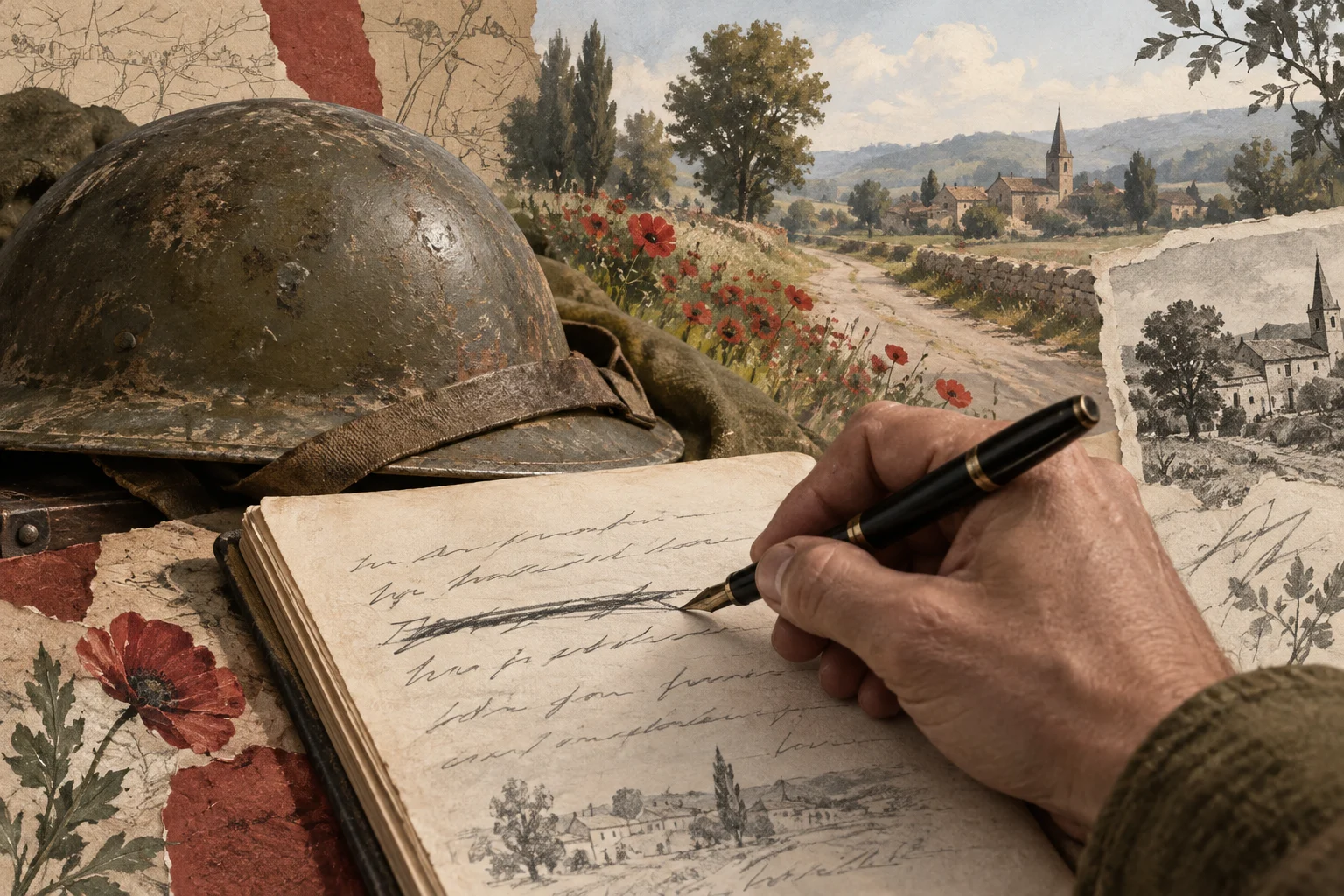
William H. Amerine did not introduce Alabama’s Own in France as a detached final verdict on the war. In the opening pages of his 1919 book, he described limited time for gathering notes, reliance on soldiers’ accounts, and an audience of people close to the men. He also acknowledged that errors would be found. [1]
Read the original in Crypt of Echoes
The author explains his position
Amerine connects the project to a request for a regimental history and describes his work with the American Red Cross in Germany. A reproduced authorization in the front matter identifies him as the historian delegated by the 167th U.S. Infantry. The book is closely attached to the organization whose story it tells. [1]
His foreword distinguishes his collection of stories from the fuller work he expected later researchers to undertake in official archives. He says he uses soldiers’ accounts as well as newspaper and magazine material. These admissions give a reader a guide to the kinds of evidence—and loyalties—shaping the book. [1]
An invitation in the margin of the historical record
On printed page 3, Amerine explains that the volume includes documents, rosters, and citations he could obtain, and that space would be available for readers’ pen or pencil notes. His brief invitation, “Corrections are in order,” makes the possibility of revision explicit. [1]
That does not mean every assertion in the book has been corrected or independently verified. It means the author himself gives readers reasons to compare his narrative with other records rather than treating its confidence as sufficient proof.
Start with the foreword, then test the narrative
The foreword’s praise of the regiment is emphatic. Its account of how the history was assembled is just as important for understanding the source. A reader can value its proximity to participants while distinguishing recollection, quotation, official documentation, and patriotic judgment.
Crypt of Echoes preserves the full 490-page scan. The opening authorization and foreword provide a useful first stop before moving to a battle narrative or a name in the roster. [1]
Sources & archive records
- Alabama's Own in France (1919)
William H. Amerine, Alabama’s Own in France (1919), front-matter authorization and foreword, especially printed pp. 1–3. Complete volume preserved.
Keep reading
View all
A Working City in Abbreviations: Montgomery’s 1866 Directory
Printers, machinists, boarding houses, and addresses turn a list of names into a guide to everyday geography.
Before Alabama Wrote a Constitution, It Chose a Doorkeeper
The convention’s July 5, 1819 opening entry records the practical work of creating a body that could govern its own proceedings.
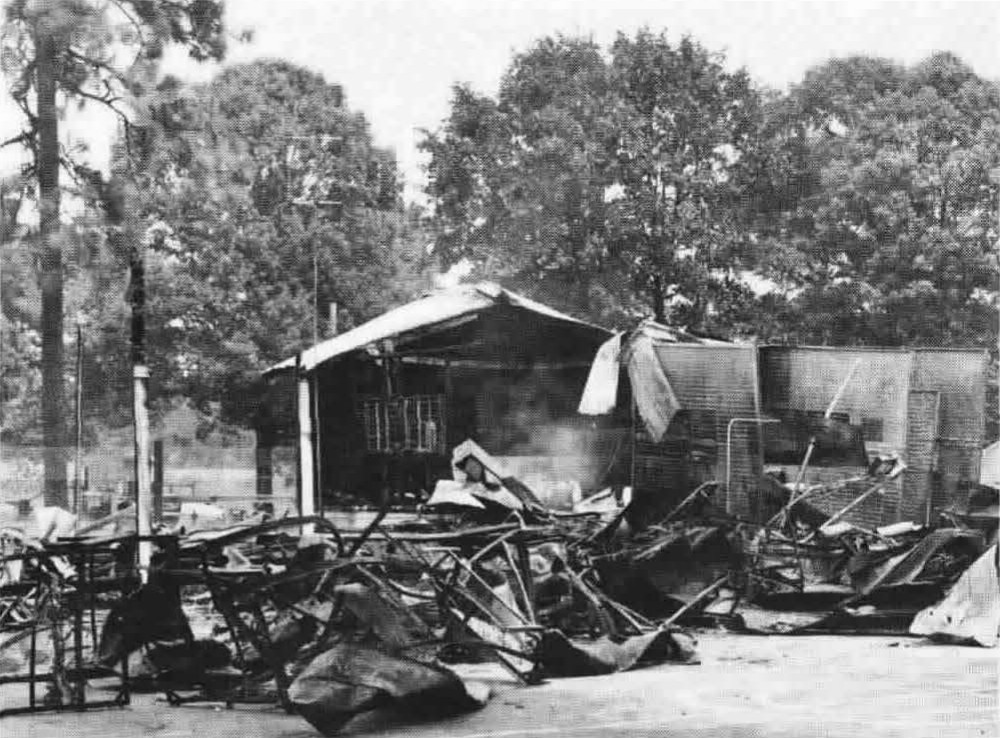
Road Camp 12: The Berrydale Fire That Killed 38 Prisoners
On a Sunday night in 1967, fire swept through a wooden prison barracks in the Florida Panhandle. Fifty-one men were inside. Only thirteen survived.