
The Constable, the Missing Return, and the Cost of Justice
An Alabama constable failed to return a court order. In 1833, the dispute that followed forced the state’s highest court to weigh legal formalities against the price of getting justice.

The trouble began with a constable and a court order he did not return. Condry had been given an execution for collection—a legal order used to enforce a judgment. When he failed to return it, Henley & Murphey brought a statutory motion against him and the men who had stood surety for his bond. A justice of the peace ruled against them. Condry and his sureties kept fighting. [1]
A small proceeding reaches the high court
By the January term of 1833, the dispute had passed through the Jefferson County Court and reached the Supreme Court of Alabama. The printed report does not tell us the amount owed or why Condry failed to return the execution. What it preserves is the attempt to overturn the judgment—and the court’s impatience with some of the reasons offered. [1]
The challengers pointed to the paperwork. There had been no declaration, the formal pleading ordinarily used to set out a claim. A jury had been sworn even though no formal issue had been framed for it to decide. And Henley & Murphey had proceeded under their partnership name without giving the partners’ first names. [1]
These objections could carry real weight in a formal lawsuit. The question was whether they should undo this particular proceeding, which had started before a justice of the peace.
What the law actually required
Justice Taylor began with the kind of case before him. The statute provided a summary procedure against a constable who failed to return an execution. Notice to the constable and his sureties began that process. A separate declaration was not required, and taking the case into a higher court did not automatically create that requirement. [1]
The jury objection failed too. Taylor said a jury was unnecessary unless a party requested one. But using a jury where the judge could have decided the case was not, by itself, a reason to reverse. The court would presume consent to that mode of trial; the judge still had to enter judgment. Taylor added that if the verdict did not accord with the court’s opinion, it could be disregarded and judgment entered as though no jury had been sworn. [1]
When a technical victory costs more than the dispute
The partnership-name objection brought out the opinion’s strongest language. Taylor acknowledged that failing to name the individual partners would be fatal in a suit regularly begun in a court of record. But proceedings before justices of the peace operated under statutes that cured defects, and he thought there was good reason for that. [1]
Those officers could not always be expected to master every legal formality. The amounts contested before them were small. Reversing a judgment over a slight error could saddle the party who was right on the merits with costs greater than the sum at stake. Taylor called that prospect “cruel.” [1]
He did not abolish the rules about naming parties. If formal pleadings became necessary after an appeal, those pleadings would need the parties’ names. In this case, however, that step was unnecessary. The omitted first names did not undo the judgment. [1]
The judgment stands
One final effort turned on who had taken exceptions during the lower-court trial. The challengers suggested the record contained a clerical mistake. Taylor would not rewrite it on that assumption, particularly when opposing counsel—who had also appeared below—said it was accurate. The Supreme Court affirmed. [1]
Condry’s case survives in only five printed pages. It leaves much of the underlying dispute untold, but the concern running through the decision is easy to recognize: a person could win on the facts and still lose the value of that victory to the cost of another round in court.
Read the case
The archived edition contains the full reported case, pages 9–13 of volume 4 of Stewart & Porter, followed by photographs of all five source pages. The story describes the court’s 1833 ruling. The earlier inaccurate reading copies and unverified audio are not published with it. [1]
Sources & archive records
- Condry et al. v. Henley & Murphey (1833) — full case and photographed pages
Condry et al. v. Henley & Murphey (1833). Reports of the Decisions of the Supreme Court of Alabama, 4 Stewart & Porter, January Term 1833, pp. 9–13. Five source pages checked, including the original court’s jury and partnership-name reasoning, which earlier transcriptions changed.
Keep reading
View all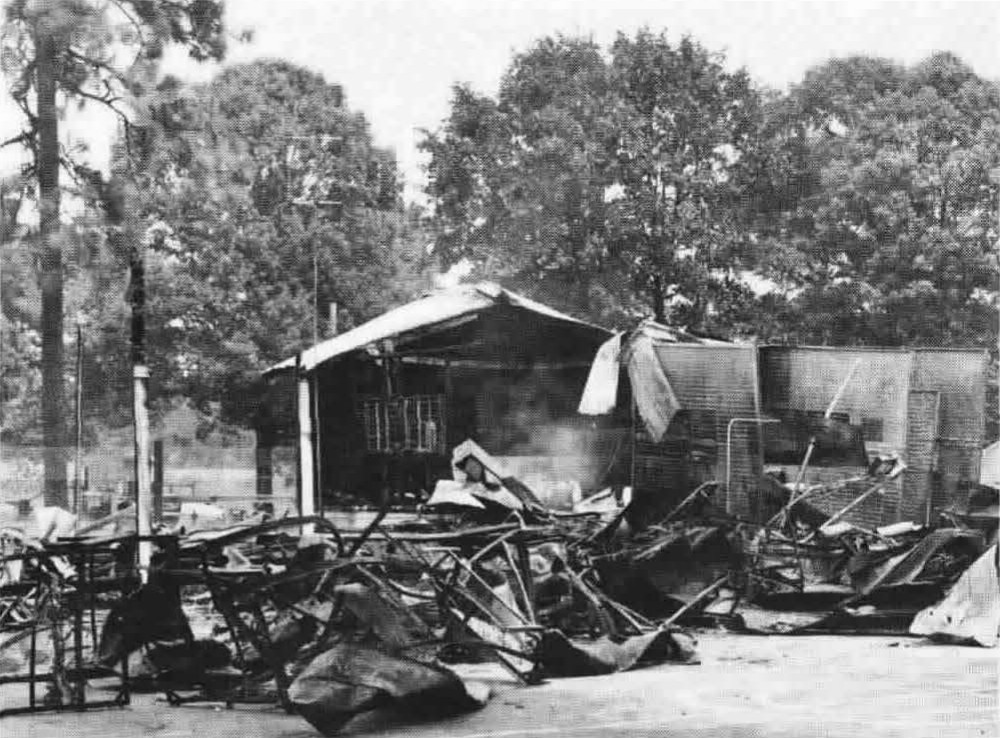
Road Camp 12: The Berrydale Fire That Killed 38 Prisoners
On a Sunday night in 1967, fire swept through a wooden prison barracks in the Florida Panhandle. Fifty-one men were inside. Only thirteen survived.
Three Arpents in Mobile: The Land Dispute Ryder Did Not Live to Finish
A claim that began with a Spanish land grant in 1810 reached Alabama’s Supreme Court in 1833. Between those dates lay a disputed lot, a business winding down, and a lawsuit inherited by Ryder’s heirs.
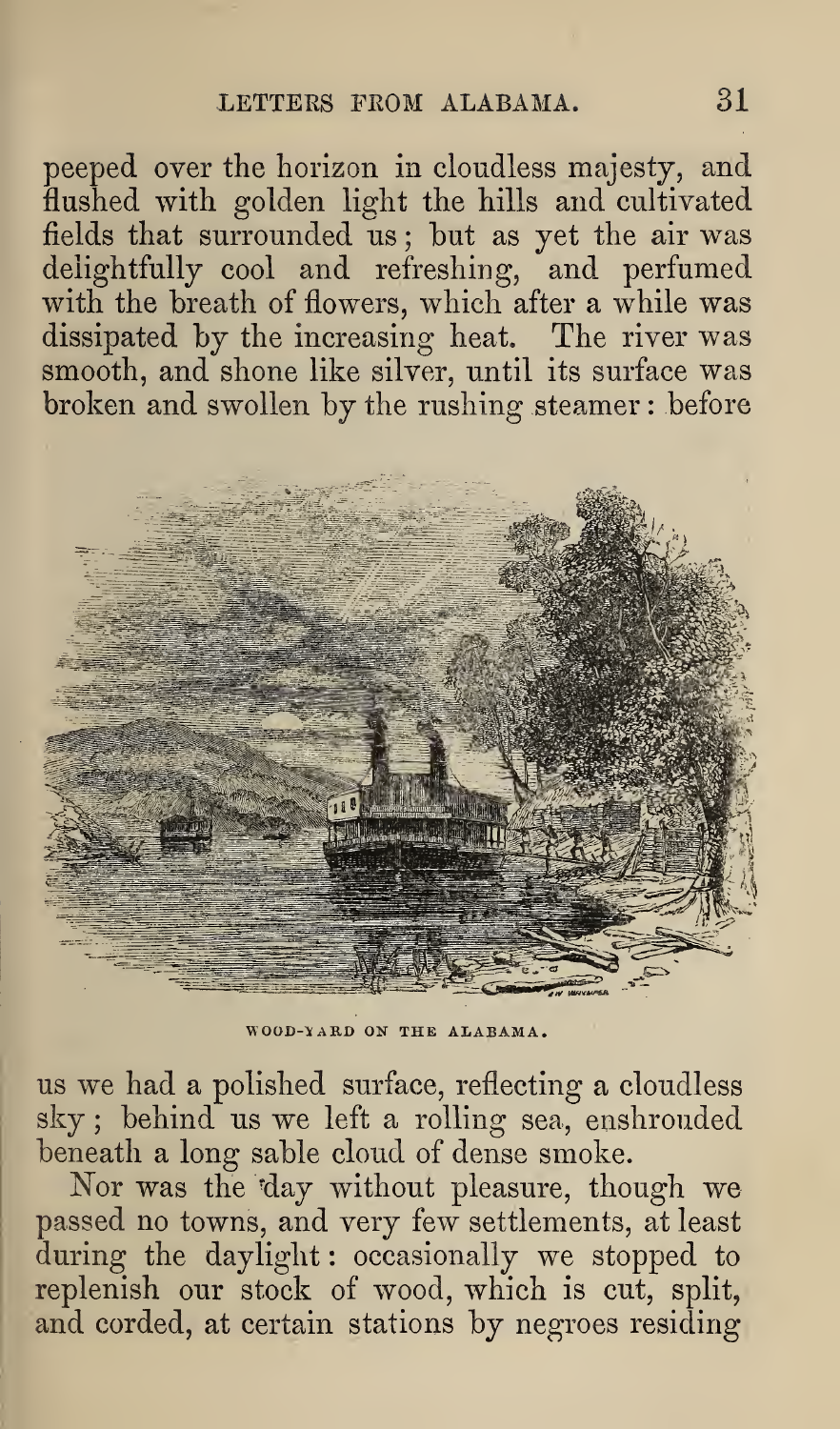
From Mobile by Firelight: The River’s Wood Yards
An 1859 travel account follows a steamer out of Mobile, past fireflies, fuel stations, and the labor that kept it moving.