
Part of the October 11 archive roundup, published October 12.
Investigations / October 11 archive roundupThe Captain Followed Orders. The Court Still Held Him Liable.
Little v. Barreme turns on the distance between a statute’s seizure authority and the instructions sent to a naval commander.

In December 1799, Captain George Little’s frigate captured the Flying Fish on a voyage from a French port. The orders he had received covered vessels sailing to or from such ports. The statute’s high-seas seizure provision, as the Supreme Court read it, covered vessels bound or sailing to them. That difference carried a personal consequence for the captain. [1]
Read the original in Crypt of Echoes
The extra words mattered
In its 1804 decision, the Court treated the statutory limit as controlling. Suspicion that the vessel might be American did not solve the problem: even if it had been American, the direction of its voyage placed this seizure outside the authority the Court found in the law. [1]
The question was therefore more precise than whether a commander had received genuine orders. It was whether those instructions could protect him from damages for a seizure the statute did not authorize.
Marshall recorded his change of mind
Chief Justice John Marshall acknowledged that he had initially been inclined to excuse the officer from damages. He considered the obedience expected in military service and the possibility that the injured party’s claim should instead lie against the government. He then expressly abandoned that first view and joined his colleagues. [1]
The Court affirmed the judgment holding Little answerable in damages. The opinion is valuable partly because it preserves that reasoning, rather than presenting the result as though the difficulty had never existed. [1]
What this decision establishes—and what it does not
This was a civil damages case concerning an unauthorized maritime seizure. It was not a criminal conviction, and it should not be converted into a blanket statement about every modern official, immunity doctrine, or disputed instruction. Its historical holding is forceful without that enlargement.
Read the opinion’s closing pages in Crypt of Echoes, especially printed pages 176–179. The preserved report allows readers to distinguish the facts, counsel’s arguments, and the Court’s own explanation. [1]
Sources & archive records
- Little et al. v. Barreme et al.
Little v. Barreme, 6 U.S. (2 Cranch) 170 (1804), especially the opinion at printed pp. 176–179. Civil damages, not criminal prosecution.
Keep reading
View all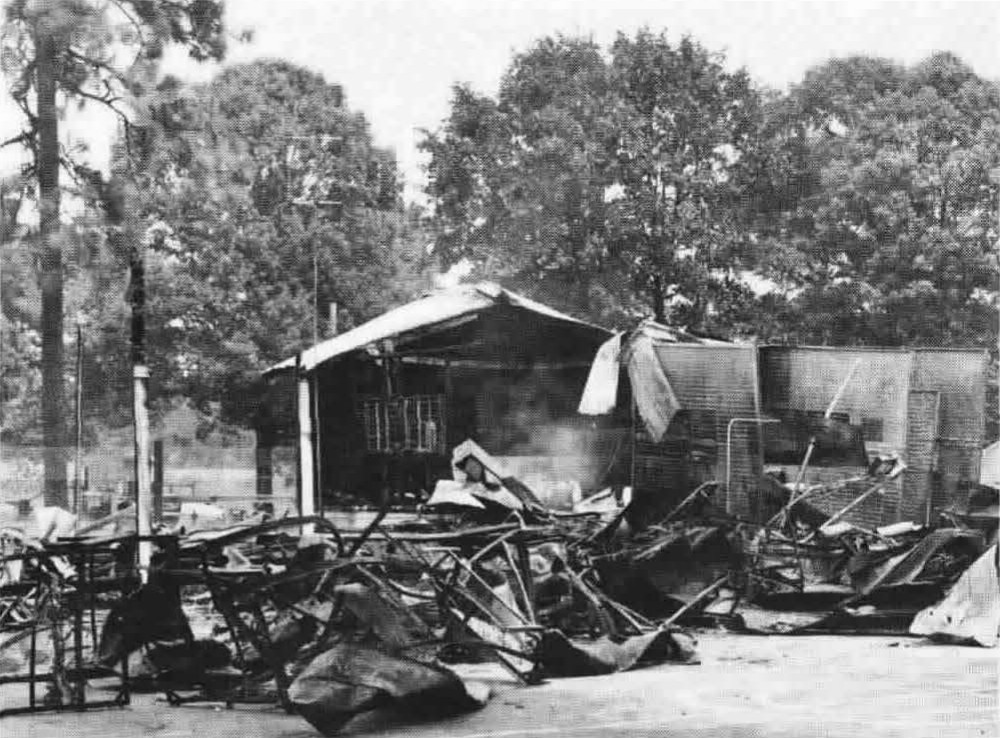
Six Minutes or Nine: What Investigators Said About the Road Camp 12 Fire
Two days after the Berrydale fire, a coroner's jury blamed three prisoners who died in it and found no neglect by the guards. The newspaper reports, official records and later accounts preserved since then do not all agree with one another.

Two Water Advisories, Two Different Problems
The October 2 and October 11 notices preserved in the archive identify different places, evidence, and triggers.

A Workshop Flyer Opens a Window Into Fort Walton Beach’s Building Rules
The notice invites questions about the Land Development Code. The next useful document is the actual draft.